Learning with all senses: Basic education at Interface Vienna
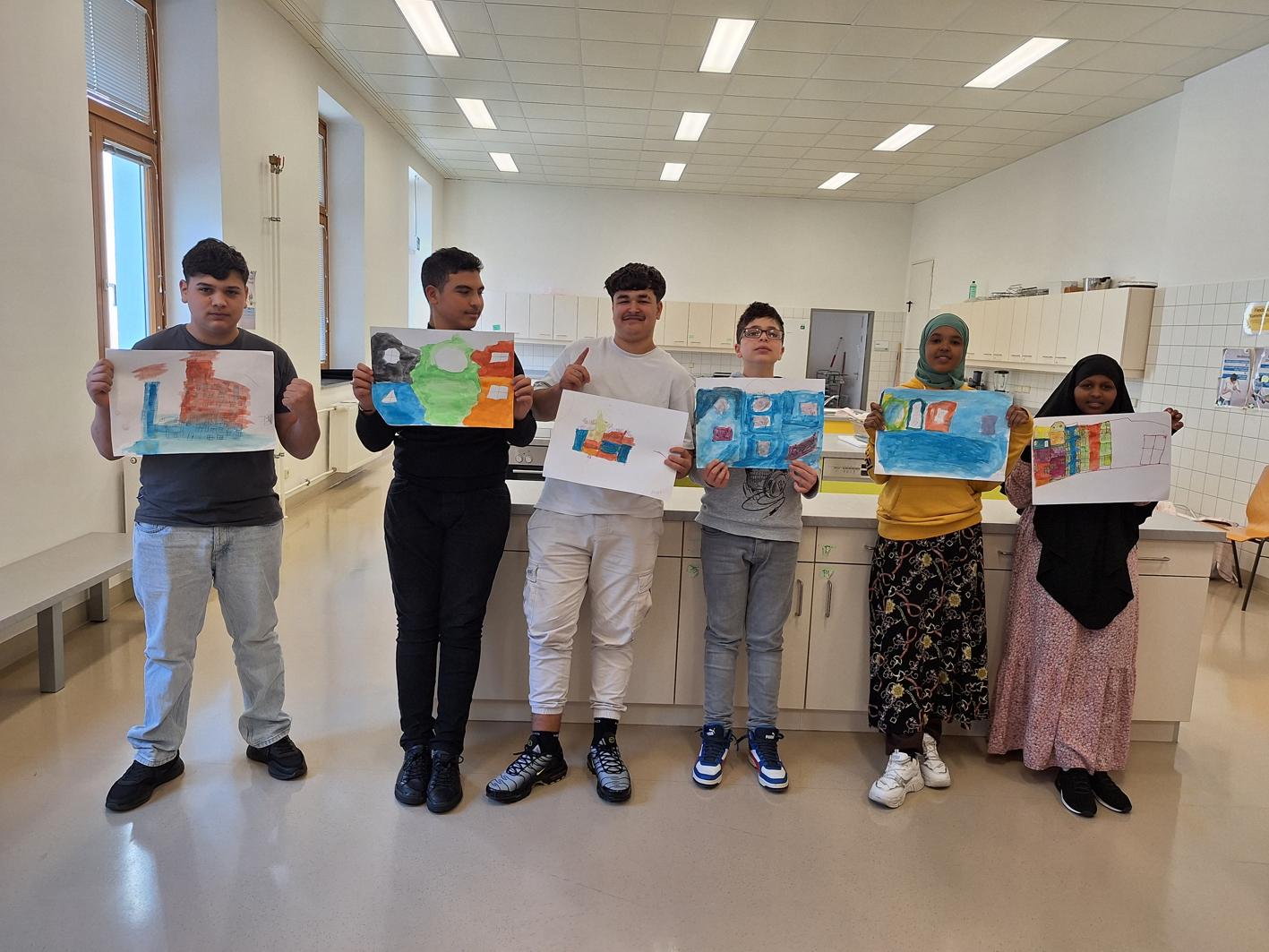
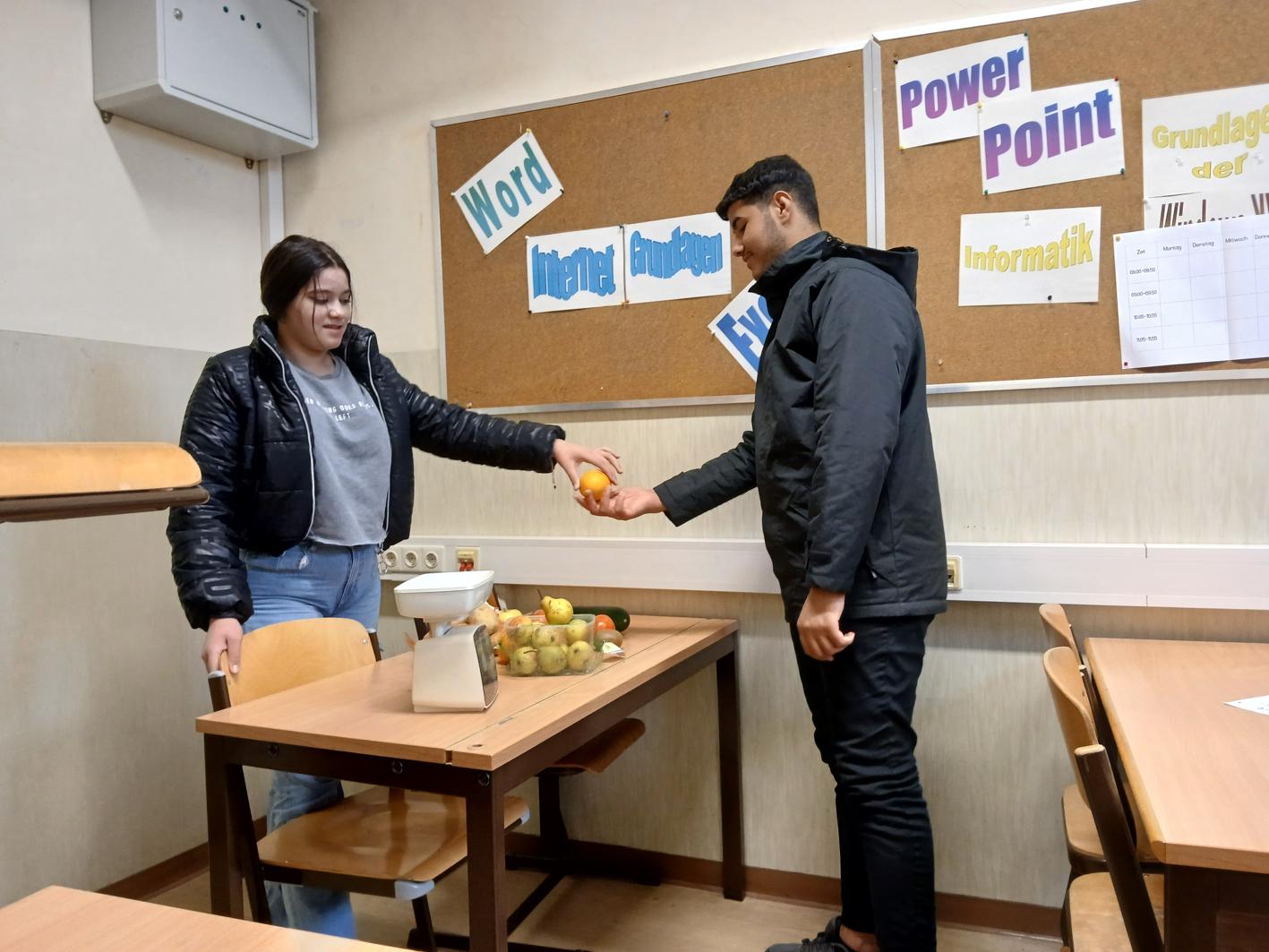
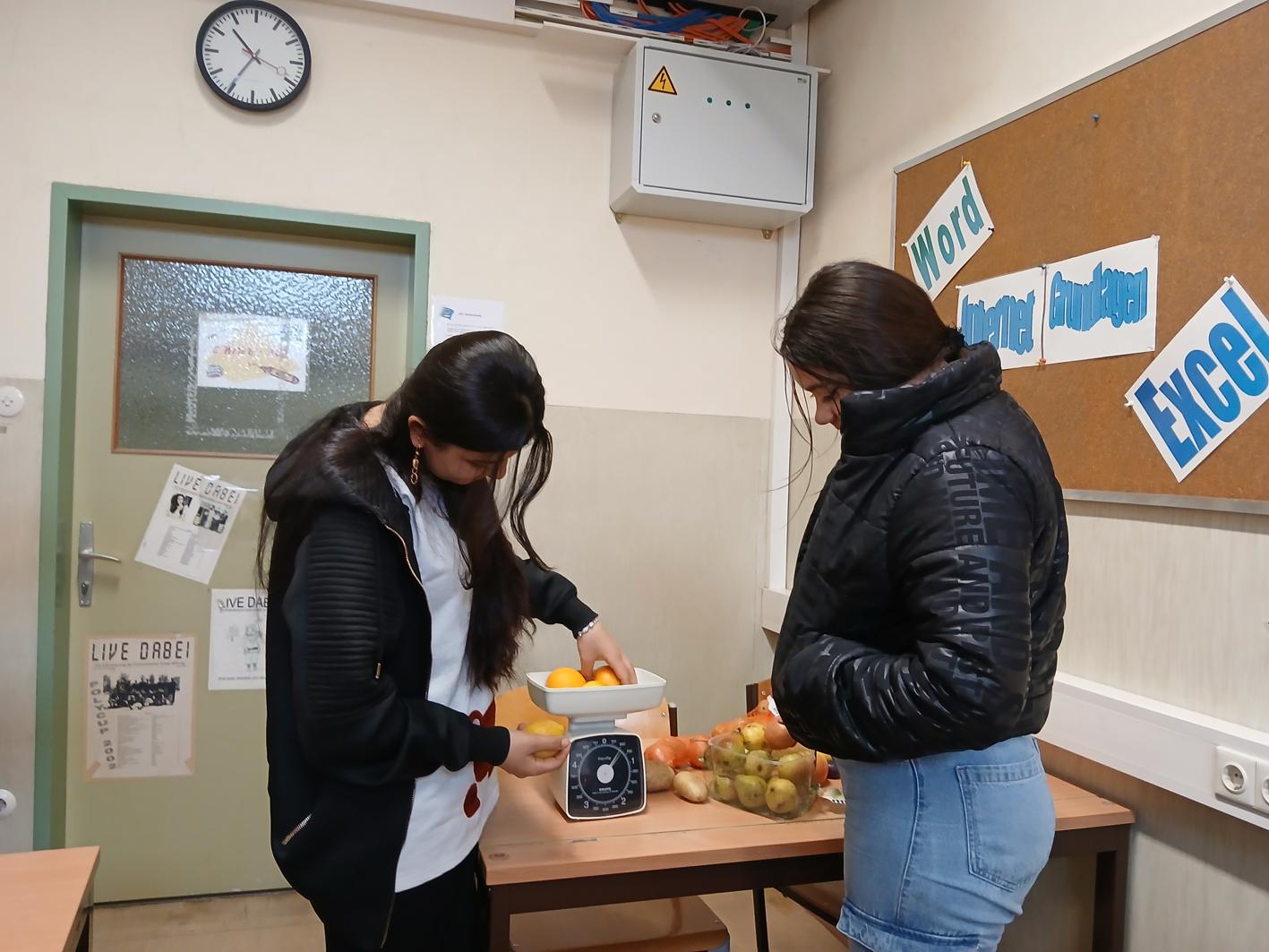
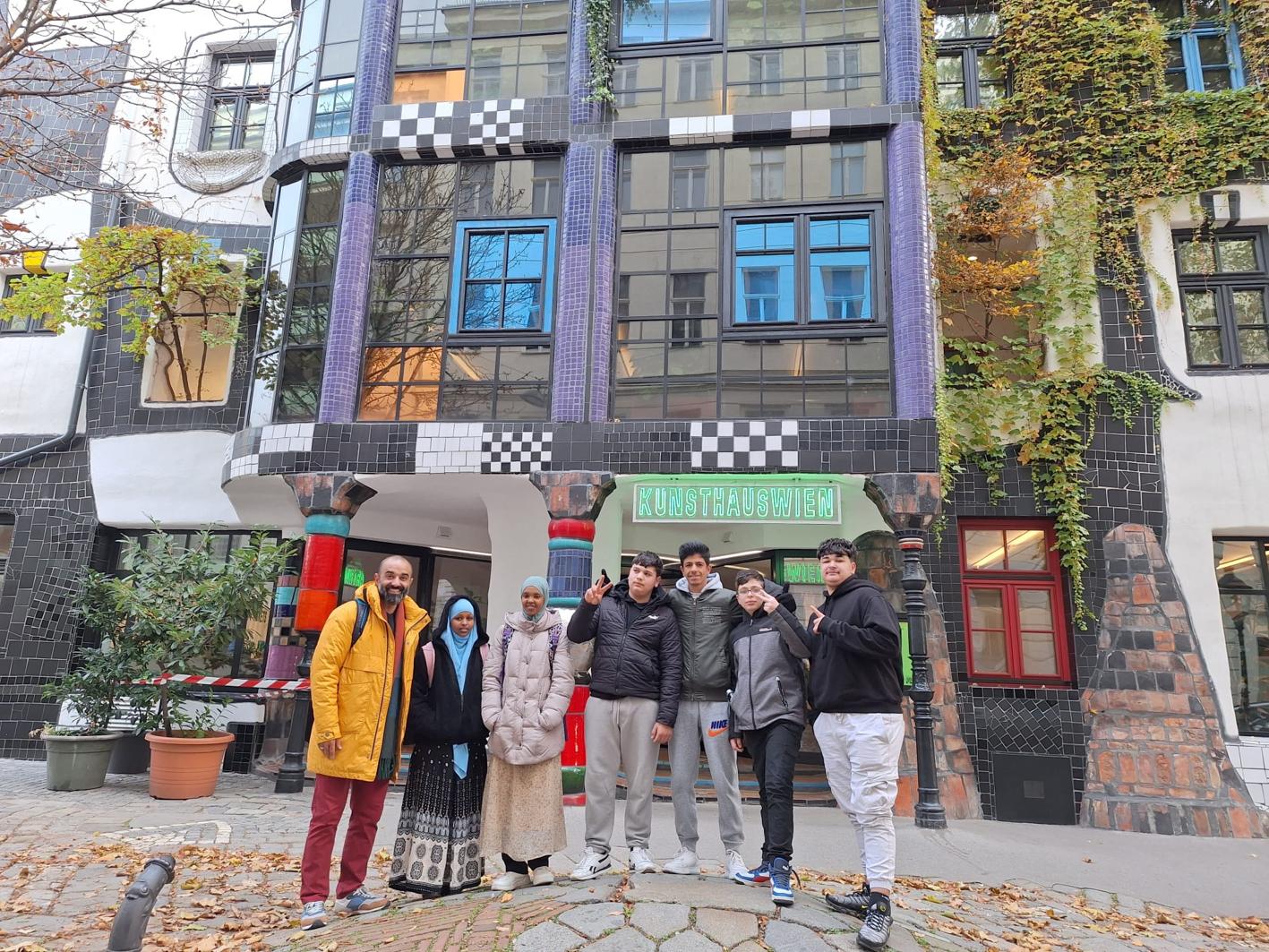
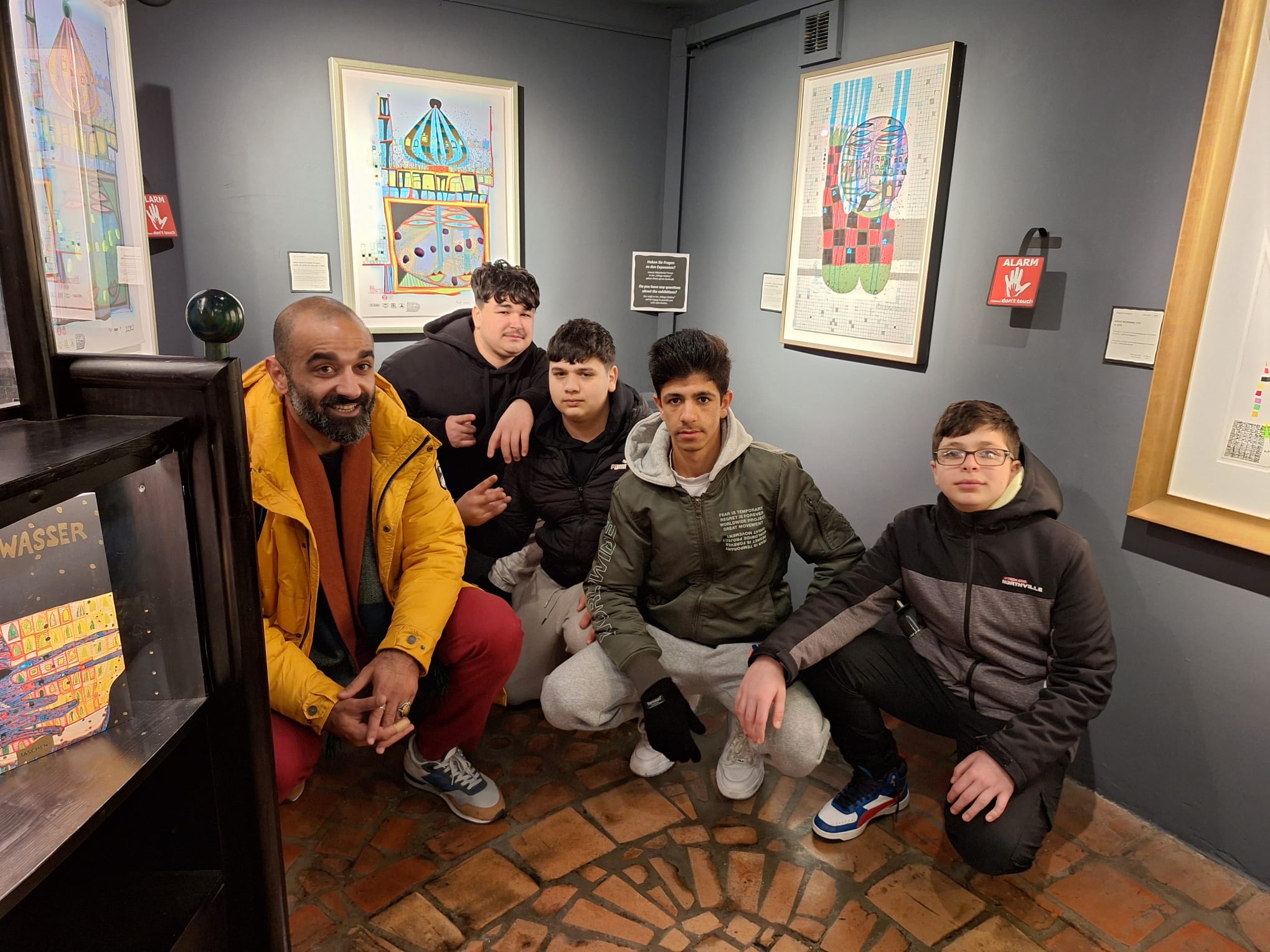
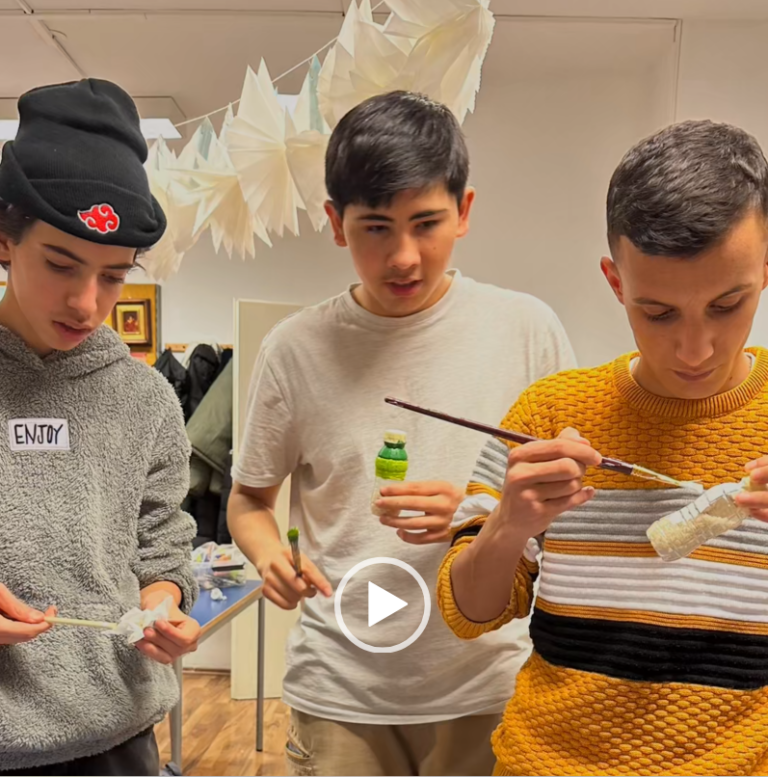
Colors, focused faces, collaborative problem-solving, team laughter: The artistic photo medley about basic education for young people at Interface Wien impressively demonstrates what learning means here. Holistic learning is central to the basic education program for young people and young adults – many of whom are new to Austria and have a refugee background.
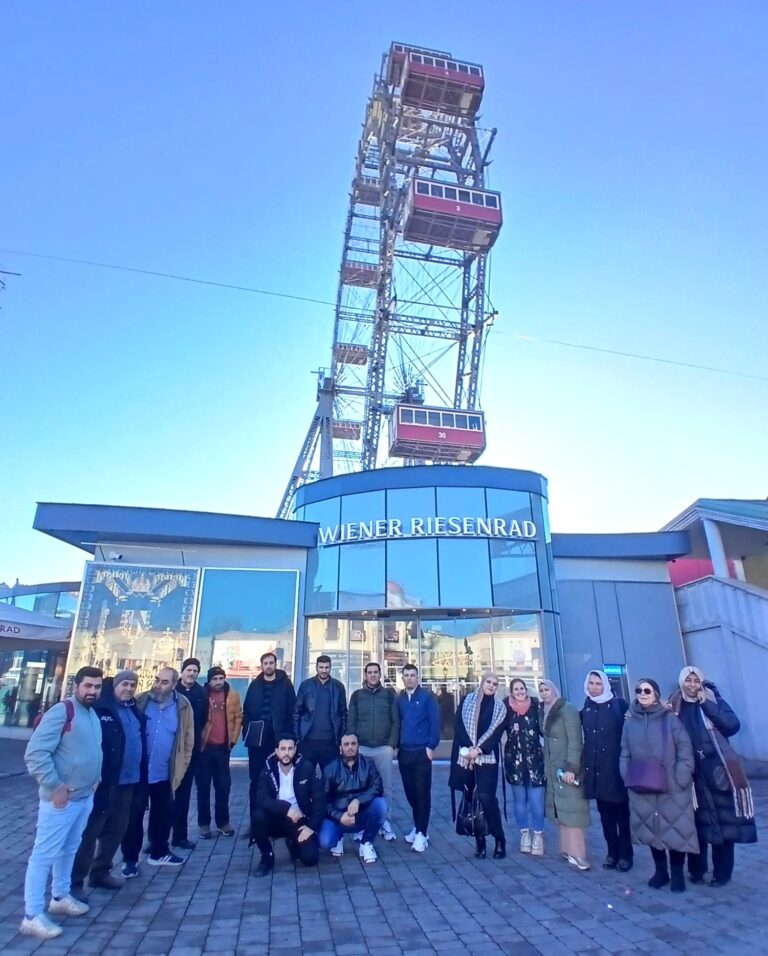
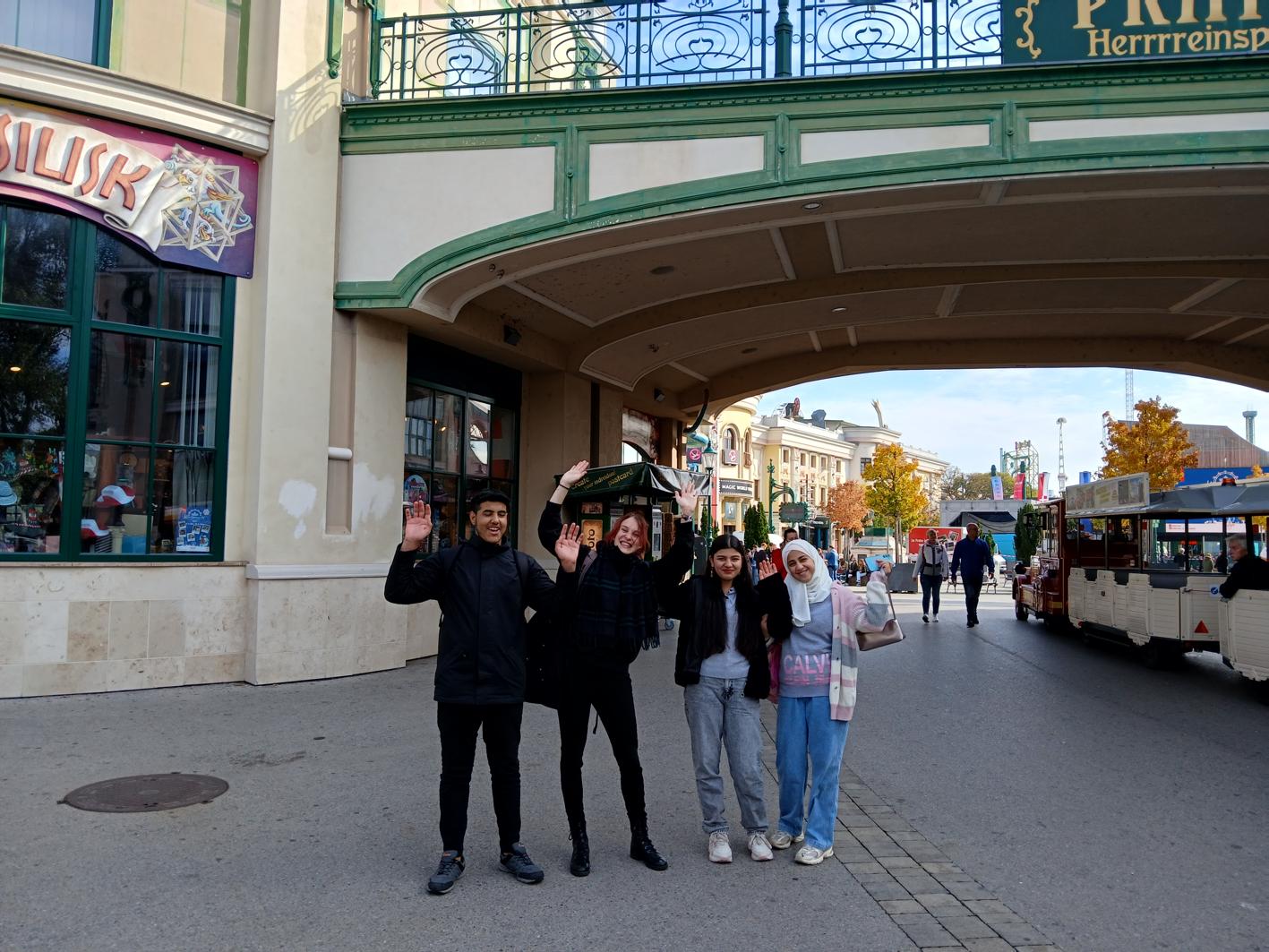
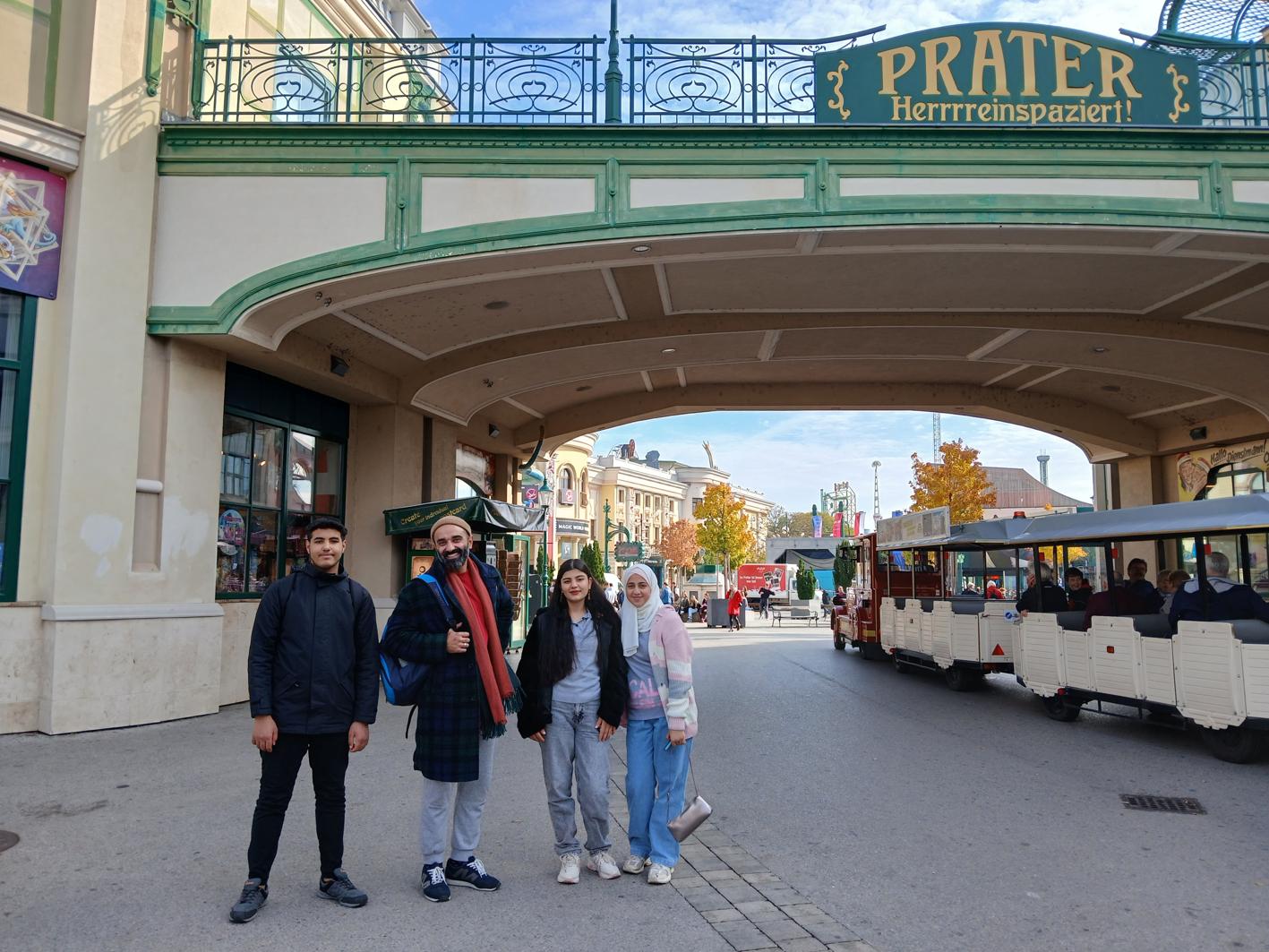
Learning with a view – Excursion to the Vienna Giant Ferris Wheel
For the course participants at the StartWien Hub, things took off this week: a joint excursion led them to the Vienna Giant Ferris Wheel in the Prater. Because learning German with us doesn't just happen in the classroom – actively exploring the city is just as much a part of it.
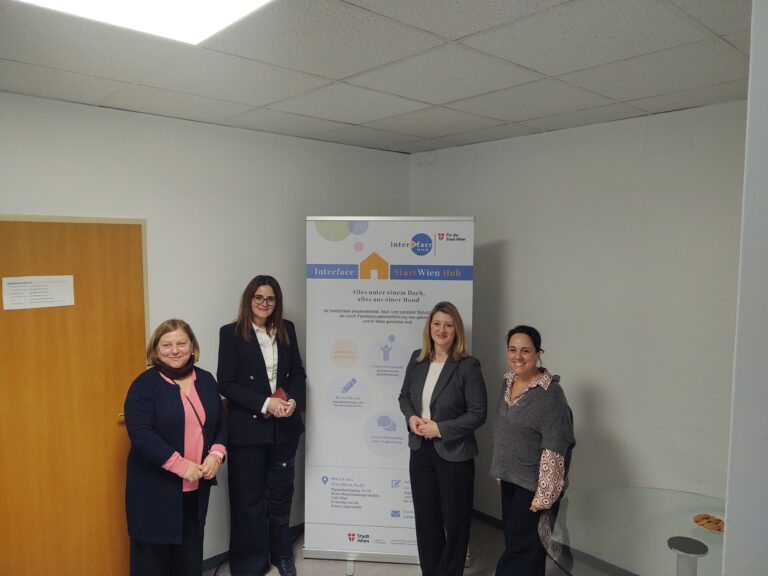
One year of StartWien Hub: Integration work of tomorrow
Following a successful first year as a pilot project, Interface Wien's StartWien Hub demonstrates how integration in Vienna can succeed today and tomorrow: holistically, in a coordinated manner, and closely aligned with the real-life situations of newly arrived immigrants and families. This innovative model is made possible by funding from the City of Vienna – Municipal Department for Integration and Diversity (MA 17).
During the visit of Deputy Mayor Bettina Emmerling and the head of the Department for Integration and Diversity of the City of Vienna, Theodora Manolakos, this all-in-one approach became immediately tangible.